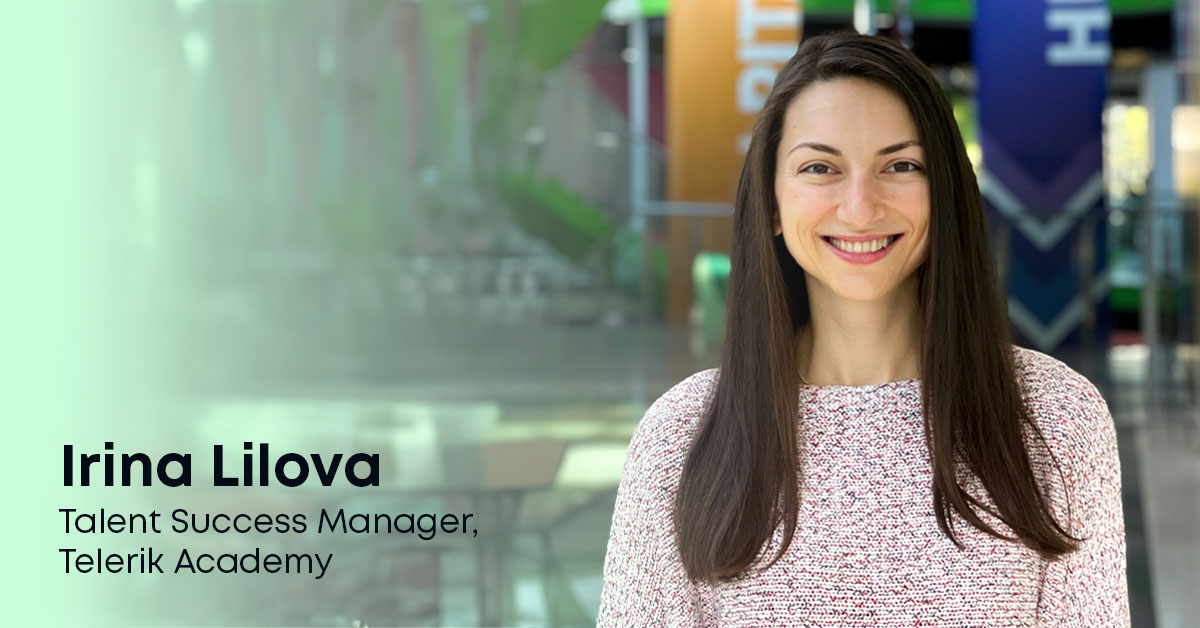
Author: Irina Lilova* – Talent Success Manager, Telerik Academy & Guest Trainer in Upskill Strategic HR Program
Ever felt like your HR work is stuck in a reactive loop? One day you’re onboarding a new hire, the next day you're scrambling to set a benefits structure – with no clear process in place. It's exhausting, and worse – it limits your strategic impact. If you’ve been drawn to the HR field because of its human-centered nature, this article is for you.
The more we lean into the interpersonal side of HR, the more we may overlook the importance of working with data, structure, and processes. While we all have our natural strengths, developing a wholistic skill set – and shrinking our blind spots – is essential, especially for those aiming to step into a strategic HR role.
What are HR processes?
- At their core, HR processes are structured activities carried out by HR professionals to manage the employee lifecycle: from hiring and onboarding to development, performance management, and offboarding.
- If you’re in an established organization with a strong HR tradition, chances are that many of these processes are already in place. But if you’re the first HR hire or working in a startup-like environment where much is still being figured out, you have a valuable opportunity to bring structure to the chaos. Why do we need them?
Why do we need them?
- Take the aviation industry, known for its highly structured operations. Standard operating procedures there reduce stress, prevent errors, and help ensure safety – even 30,000 feet above the ground. Similarly, in HR, having well-documented processes or step-by-step checklists significantly lowers cognitive load and helps ensure nothing important is overlooked, especially under pressure. After all, we are all prone to making mistakes during stressful or peak periods at work, so this is when a well-documented way of dealing with a given situation becomes your best friend.
- They bring consistency and improve employee experience across the lifecycle. If you experiment with a new approach or idea, and it works great, you don’t want this to remain a one-off but become the standard instead. It works the other way around, too: we learn from mistakes and can use them to inform better policies and design default experiences differently.
- HR processes also help the manager’s team, reducing their dependency on you for common decisions related to their team members’ onboarding, growth, promotions, offboarding, etc.
- That said, building a process should never be a goal in itself. If a situation is unique and unlikely to repeat, investing time in a formal procedure may not be worth it. However, when a task is likely to recur, even jotting down a few notes can improve how it’s handled next time.
- In complex scenarios involving multiple stakeholders, documenting your steps gives you a solid foundation to build on, even when the context changes somewhat in the future.
What are examples of HR processes that bring high value?
Some of the most prominent HR processes are rather small: requesting days off, applying for corporate training, celebrating work anniversaries. Others are more complex: defining how recruitment is done within the company, formalizing performance meetings, organizing international mobility for expats.
Let’s zoom in with some classic examples. While many companies recognize the value of a good onboarding process, they often struggle to set one in place, making it quite of a puzzle for the HR team and new hires alike.
A good offboarding process is even more overlooked even though the way an employee exits a company can be just as impactful as their first few months on the job. Here’s an example company created for the purpose of this illustration (it doesn’t exist in reality but is a composite of several organizations with strong practices): LarZette is a growing organization with a team of 15. Their onboarding process used to include some basic steps: assigning a mentor or buddy to the new employee, sending them a series of pre-written emails, and scheduling 2–3 onboarding meetings in advance. However, the real onboarding experience relied heavily on “tribal knowledge” – the unwritten know-how shared informally between team members. This included:
- the unwritten tasks each stakeholder should complete
- common onboarding pitfalls and how to avoid them
- how HR could support managers and buddies in setting onboarding milestones and clear, achievable goals for the new hire
To improve this, LarZette’s HR team compiled all this knowledge into a practical onboarding handbook. Short and sweet, but clear, it significantly reduced the time they invested in facilitating the new hires’ onboarding – simply because they no longer needed to fill in the blanks ad-hoc.
Energized by the success, they soon identified other areas that could benefit from a similar approach.For instance, after receiving feedback from a colleague on notice leave who felt uncertain about her next steps, the team created an offboarding checklist, outlining the role of each stakeholder, next steps and the proper timing for them: handling the administrative details, holding an exit interview, organizing work handover, etc. This not only helped their colleague but also gave HR a chance to audit and improve the process.
Later, after attending an HR conference, the team added new best practices to their checklist. Because a foundation was already in place, it was easy to iterate and evolve.
This example illustrates how documenting and shaping your processes enables collective knowledge and ideas to come together smoothly.
5 tips on how to improve your HR processes
- Map and standardize your workflows. When creating a new procedure, checklist, or handbook, always share a draft version with relevant stakeholders. Ask for their input – it’s a great opportunity to uncover gaps and align expectations. It also helps gain buy-in from the people whose cooperation you’ll need most.
- Recruit technology to help you. Consider when the use of HR software or AI tools can reduce manual tasks, improve data accuracy, and streamline communication with employees and candidates.
- Make them client-centric. Your applicants, employees, managers’ team – they are all your clients, external or internal. Gather their feedback regularly to understand pain points and improve processes based on real user experiences.
- Evaluate, audit and adjust. When it comes to people, not everything can be put into numbers. But key HR metrics (e.g., time-to-hire, onboarding satisfaction, turnover rate) work better than hunches. Use them to evaluate and refine your processes continuously.
- Remember there’s no such thing as the perfect process. They should all be living documents – something you revisit and refine regularly. Most importantly, stay flexible. Processes should serve the team, not the other way around. Avoid becoming overly rigid or procedural for the sake of it. Know when it’s time to step outside the process to do what’s right.
What’s your take on HR processes?
Join the conversation in our Upskill Strategic HR program — where expert insights meet real-world experience from peers like you. Check out the agenda and apply to start building HR processes that truly work for people and business.
*Irina Lilova has been exploring the HR field since 2012. At Telerik Academy, she is responsible for growing and developing the team, and for the career services, part of the company’s programs for IT career start.
She holds a MSc degree in Human Resource Studies from Tilburg University, the Netherlands, and is an Erickson-certified coach. Her background is in both corporate and start-up environments. She is a published author in the International Journal of Training and Development, and a guest lecturer in her first Alma Mater, Sofia University, since 2019.